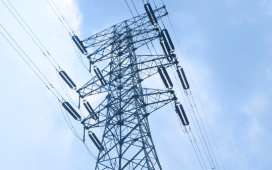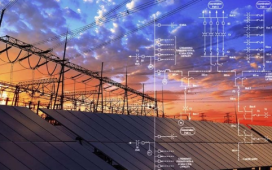

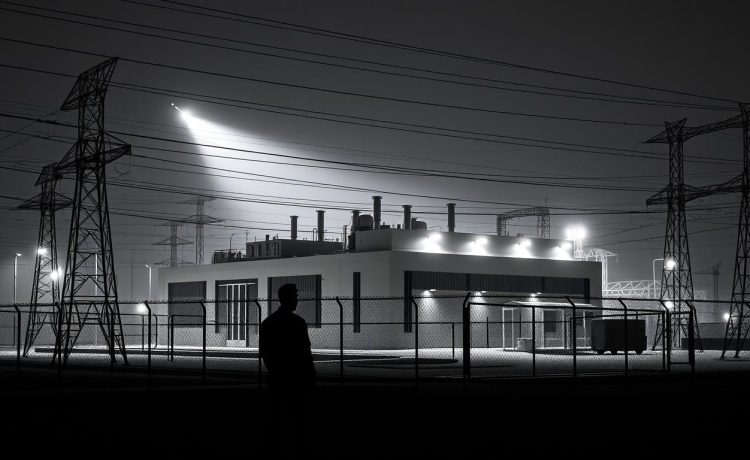
The electrical infrastructure is a critical component of modern society, and ensuring its cybersecurity is of utmost importance. As technology advances, the power grid security landscape is becoming increasingly complex, with new threats emerging daily.
Operators of electrical infrastructure need a comprehensive cybersecurity guide to protect their systems from cyber threats. This guide is designed to provide the necessary knowledge and tools to improve electrical infrastructure cybersecurity posture.
Key Takeaways
- Understanding the growing cyber threat landscape
- Identifying unique challenges in securing electrical infrastructure
- Practical advice on improving cybersecurity posture
- Best practices for power grid security
- Essential tools for electrical infrastructure cybersecurity

The Growing Cyber Threat Landscape for Electrical Systems
The electrical infrastructure sector is facing an escalating threat from cyberattacks, putting the reliability of power grids at risk. As our dependence on electricity grows, so does the potential impact of these threats.
Recent Attacks on Power Grids and Utilities
Recent years have seen a surge in cyberattacks targeting power grids and utilities worldwide. For instance, the Colonial Pipeline ransomware attack in 2021 highlighted the vulnerability of critical infrastructure to cyber threats. Such attacks not only disrupt service but also have significant economic and social implications.
A review of recent incidents reveals a disturbing trend:
| Year | Incident | Impact |
|---|---|---|
| 2021 | Colonial Pipeline Ransomware Attack | Significant fuel shortages and price hikes |
| 2020 | Eskom South Africa Grid Attack | Potential for widespread blackouts |
| 2019 | City of New Orleans Grid Breach | Unauthorized access to grid management systems |
Why Electrical Infrastructure is a Prime Target
Electrical infrastructure is a prime target for cyber attackers due to its critical importance to modern society and the potential for significant disruption and economic loss. The sector’s increasing reliance on interconnected systems and the Internet of Things (IoT) has expanded the attack surface, making it more vulnerable to cyber threats.
The potential consequences of a successful attack on electrical infrastructure are far-reaching, including:
- Widespread power outages
- Economic disruption
- Compromised public safety
Understanding these risks is crucial for developing effective cybersecurity measures to protect our electrical infrastructure.
The Unique Challenges of Securing Electrical Infrastructure
As the electrical infrastructure becomes increasingly interconnected, new cybersecurity challenges emerge. The sector’s unique blend of legacy and modern systems creates a complex security landscape that demands careful management.
Bridging Legacy Systems with Modern Technology
One of the primary challenges in securing electrical infrastructure is the integration of legacy systems with modern technology. Many electrical infrastructure components were designed without security in mind, making them vulnerable to modern cyber threats. To address this, utilities must adopt a strategic approach to upgrading or replacing these legacy systems while ensuring compatibility with newer technologies.
- Implementing secure communication protocols for data exchange between legacy and modern systems.
- Using encryption to protect data both in transit and at rest.
- Conducting regular security assessments to identify vulnerabilities.
The OT/IT Convergence Challenge
The convergence of Operational Technology (OT) and Information Technology (IT) in electrical infrastructure introduces another layer of complexity. OT systems, which manage the physical operations of the infrastructure, were traditionally isolated from IT networks. However, as connectivity increases, so does the risk of cyber threats spreading between these systems.
Security Implications of Connected Systems
The increased connectivity between OT and IT systems has significant security implications. Utilities must now protect against threats that could compromise both the operational integrity of their infrastructure and the confidentiality of their data.
Balancing Operational Needs with Security Requirements
To effectively secure electrical infrastructure, utilities must balance operational needs with security requirements. This involves implementing security measures that do not impede the reliable operation of the infrastructure. Key strategies include:
- Segmenting networks to isolate critical systems.
- Implementing robust access controls.
- Conducting regular security training for personnel.
By addressing these challenges and implementing a comprehensive cybersecurity strategy, utilities can better protect their infrastructure against evolving threats.
Regulatory Framework and Compliance Requirements

The regulatory framework governing electrical infrastructure cybersecurity is multifaceted, involving various standards and regulations. Electrical infrastructure operators must comply with a range of regulatory requirements to ensure the security and reliability of their systems.
NERC CIP Standards Explained
The NERC CIP standards are a set of cybersecurity requirements developed by the North American Electric Reliability Corporation (NERC) to protect the bulk electric system. These standards mandate the implementation of various cybersecurity controls, including:
- Network security measures
- Access control systems
- Incident response planning
Federal and State Regulations You Need to Know
In addition to NERC CIP, electrical infrastructure operators must comply with federal and state regulations. For instance, the Federal Energy Regulatory Commission (FERC) oversees the implementation of NERC CIP standards. State-level regulations may also apply, varying by jurisdiction.
| Regulation | Description | Jurisdiction |
|---|---|---|
| NERC CIP | Cybersecurity standards for bulk electric system | North America |
| FERC Orders | Oversees NERC CIP implementation | United States |
| State Regulations | Varying cybersecurity requirements | Individual States |
International Standards and Industry Best Practices
Besides regional regulations, international standards and industry best practices play a crucial role in shaping cybersecurity strategies. Operators can refer to guidelines from organizations like the International Electrotechnical Commission (IEC) for comprehensive cybersecurity frameworks.
A Cybersecurity Guide for Electrical Infrastructure: Essential Components

To protect electrical infrastructure from cyber threats, several vital cybersecurity components must be in place. These components work together to provide a robust defense against increasingly sophisticated attacks.
Creating Effective Network Segmentation
Network segmentation is a critical component of electrical infrastructure cybersecurity. By dividing the network into smaller, isolated segments, operators can limit the spread of malware and unauthorized access. This approach is particularly important for legacy systems that may not be easily upgraded or replaced.
Implementing Industrial Demilitarized Zones (IDMZs)
Industrial Demilitarized Zones (IDMZs) serve as a buffer zone between the corporate network and the control system network, enhancing security by adding an extra layer of protection. IDMZs help to prevent direct access to critical control systems from the corporate network, reducing the risk of cyber attacks.
Data Diodes and Unidirectional Gateways
Data diodes and unidirectional gateways are specialized network devices that allow data to flow in one direction only, preventing unauthorized data transfer from the control system network to the corporate network or the internet. This technology is particularly useful for ensuring the integrity of critical infrastructure data.
Access Control Systems for Critical Infrastructure
Access control systems are essential for preventing unauthorized access to critical infrastructure. These systems involve the use of authentication, authorization, and accounting (AAA) protocols to ensure that only authorized personnel have access to sensitive areas and systems.
A robust access control system should include features such as:
- Role-Based Access Control (RBAC)
- Multi-factor authentication
- Regular access reviews
Monitoring and Detection Tools for Electrical Systems
Effective monitoring and detection are crucial for identifying and responding to cyber threats in real-time. Monitoring tools can help detect anomalies in network traffic, system behavior, and user activity, enabling swift action to mitigate potential threats.
| Tool Type | Description | Benefits |
|---|---|---|
| Intrusion Detection Systems (IDS) | Monitor network traffic for signs of unauthorized access or malicious activity. | Early detection of potential threats, reduced risk of data breaches. |
| Security Information and Event Management (SIEM) Systems | Collect and analyze log data from various sources to identify security incidents. | Comprehensive security monitoring, improved incident response. |
| Anomaly Detection Tools | Identify unusual patterns or behavior in network or system activity. | Detection of unknown threats, enhanced security posture. |
Conducting Thorough Risk Assessments for Electrical Systems
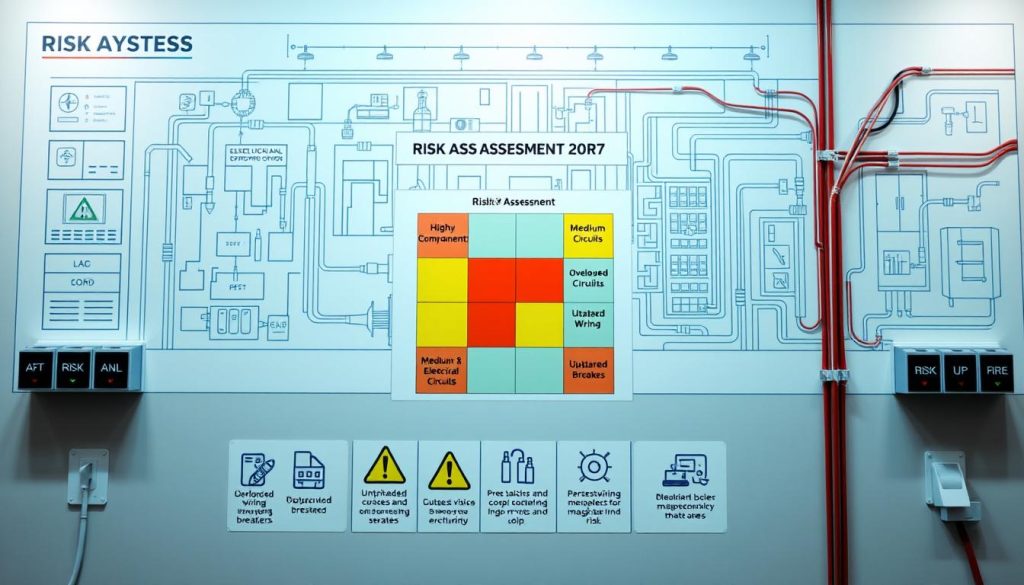
Conducting thorough risk assessments is a foundational step in protecting electrical systems from increasingly sophisticated cyber attacks. This process is crucial for identifying potential vulnerabilities and understanding the impact of possible threats on the electrical infrastructure.
Identifying and Classifying Critical Assets
The first step in a thorough risk assessment is identifying and classifying critical assets within the electrical infrastructure. This involves determining which assets are crucial for the operation and reliability of the electrical system, such as substations, transmission lines, and control centers. Critical asset identification helps prioritize security efforts and resources on the most vital components.
Practical Vulnerability Assessment Methodologies
Once critical assets are identified, the next step is to conduct a vulnerability assessment to identify potential weaknesses. This can be achieved through various methodologies, including network vulnerability scans, penetration testing, and configuration reviews. Practical vulnerability assessment methodologies help in understanding how attackers might exploit these weaknesses.
“A robust risk assessment process is not a one-time task but an ongoing effort to stay ahead of evolving cyber threats.”
Developing an Actionable Risk Management Plan
After identifying vulnerabilities, developing an actionable risk management plan is crucial. This plan should outline specific steps to mitigate identified risks, including implementing security controls, conducting regular security audits, and providing training to personnel. The plan must be tailored to the specific needs and risks of the electrical infrastructure.
By following these steps, electrical infrastructure operators can significantly enhance their cybersecurity posture, protecting against potential threats and ensuring the reliability and resilience of the electrical system.
Securing SCADA and Industrial Control Systems

As cyber threats evolve, securing SCADA and industrial control systems has become a top priority for electrical infrastructure protection. These systems are the backbone of modern electrical grids, managing everything from power distribution to grid stability. Ensuring their security is crucial to preventing widespread disruptions and maintaining public safety.
Hardening Remote Access Points
One of the critical vulnerabilities in SCADA and industrial control systems is remote access. As these systems become increasingly interconnected, the risk of unauthorized access grows. To mitigate this risk, it’s essential to harden remote access points.
Secure VPN Implementation
Implementing a secure Virtual Private Network (VPN) is a fundamental step in protecting remote access to SCADA and industrial control systems. A VPN creates an encrypted tunnel between the remote user and the control system, safeguarding data and preventing eavesdropping.
Multi-Factor Authentication Solutions
In addition to VPNs, multi-factor authentication (MFA) solutions add an extra layer of security. MFA requires users to provide two or more verification factors to gain access to a system, significantly reducing the risk of unauthorized access. This can include a combination of passwords, biometric data, or one-time passwords sent to a user’s mobile device.
Protecting Control Systems from Advanced Persistent Threats
Advanced Persistent Threats (APTs) pose a significant risk to SCADA and industrial control systems. APTs are sophisticated, targeted attacks where an intruder establishes a presence in the network without being detected for an extended period. Protecting against APTs requires a multi-layered defense strategy, including network segmentation, intrusion detection systems, and regular security audits.
| Layer | Security Measure | Description |
|---|---|---|
| Network | Segmentation | Dividing the network into segments to limit the spread of an attack |
| Detection | Intrusion Detection Systems | Monitoring network traffic for signs of unauthorized access |
| Audit | Regular Security Audits | Conducting regular audits to identify and address vulnerabilities |
Securing Human-Machine Interfaces and Engineering Workstations
Human-Machine Interfaces (HMIs) and engineering workstations are critical components of SCADA and industrial control systems. Securing these elements is vital to preventing cyber attacks. This can be achieved by implementing robust access controls, regularly updating software, and using anti-virus solutions.
By focusing on these key areas, electrical infrastructure operators can significantly enhance the security of their SCADA and industrial control systems, protecting against the evolving landscape of cyber threats.
Building an Effective Incident Response Strategy
As cyber threats escalate, the importance of a robust incident response strategy in electrical infrastructure cannot be overstated. An effective plan enables operators to respond quickly and minimize the impact of a cyber attack.
Creating a Tailored Incident Response Plan
A tailored incident response plan is crucial for addressing the unique challenges of electrical infrastructure cybersecurity. This involves identifying potential threats, understanding the infrastructure’s vulnerabilities, and outlining response procedures. Key elements include clear communication protocols, defined roles and responsibilities, and regular plan updates.
Conducting Realistic Tabletop Exercises
Tabletop exercises are a vital component of incident response preparedness. These simulated scenarios allow teams to practice their response to various cyber attack scenarios, identifying gaps in their plans and improving their coordination. Realistic exercises help ensure that response teams are adept at handling the pressures of a real incident.
Recovery and Business Continuity Strategies
Recovery and business continuity strategies are essential for getting operations back to normal after a cyber incident. This involves having backup systems in place, being able to restore data quickly, and maintaining business operations despite the disruption. Effective strategies also include post-incident analysis to learn from the event and improve future responses.
By focusing on these key areas, electrical infrastructure operators can develop a comprehensive incident response strategy that enhances their cybersecurity posture and resilience against cyber threats.
Developing a Strong Security Culture
Electrical infrastructure operators must prioritize building a strong security culture to safeguard against evolving cyber threats. A robust security culture is foundational to ensuring the long-term cybersecurity of electrical infrastructure. As emphasized by cybersecurity experts, “A culture of security is not just about technology; it’s about people and processes.”
Engaging security awareness programs is a critical step in this process. These programs educate employees on the importance of cybersecurity and their role in protecting critical infrastructure. Effective security awareness programs include regular training sessions, simulated phishing attacks, and clear communication channels for reporting suspicious activities.
Engaging Security Awareness Programs
Security awareness programs should be tailored to the specific needs of the organization and its employees. This includes providing resources and training that are relevant and easily accessible. For instance, creating a cybersecurity awareness month with various activities and training sessions can significantly enhance employee engagement and knowledge.
Specialized Training for IT and OT Personnel
Specialized training for IT and OT personnel is essential to ensure that these critical teams are equipped to handle the latest cyber threats. This training should cover the latest technologies, threat analysis, and incident response strategies. As noted by a leading cybersecurity firm, “The convergence of IT and OT requires a unified approach to cybersecurity training.”
Fostering a Security-First Mindset Across Departments
Fostering a security-first mindset across all departments is crucial for creating a pervasive security culture. This involves integrating security into every aspect of the organization, from procurement to operations. Leadership plays a key role in promoting this culture by setting clear expectations and leading by example.
By implementing these strategies, electrical infrastructure operators can develop a strong security culture that enhances their overall cybersecurity posture. As the cybersecurity landscape continues to evolve, a strong security culture will be indispensable in protecting against emerging threats.
Conclusion: Staying Ahead of Evolving Threats
The electrical infrastructure sector faces a constantly evolving cyber threat landscape, with new vulnerabilities and threats emerging regularly. As outlined in this guide, a robust cybersecurity posture is crucial to protecting critical infrastructure from these threats.
To stay ahead of evolving threats, electrical infrastructure operators must remain vigilant and proactive. This involves regularly assessing and updating their cybersecurity measures, implementing effective network segmentation, and maintaining robust access controls.
By following the guidelines and best practices outlined in this cybersecurity guide, operators can significantly enhance their cybersecurity posture. This includes leveraging regulatory frameworks, conducting thorough risk assessments, and fostering a security-first culture across their organizations.
Ultimately, the key to staying ahead of evolving threats lies in maintaining a strong cybersecurity posture, staying informed about emerging threats, and continually adapting and improving cybersecurity strategies over time.
FAQ
What are the most significant cyber threats facing electrical infrastructure today?
The most significant cyber threats facing electrical infrastructure today include sophisticated malware, phishing attacks, and unauthorized access to critical systems, often resulting in significant disruption and economic loss.
How can electrical infrastructure operators protect against cyber threats?
Electrical infrastructure operators can protect against cyber threats by implementing robust cybersecurity measures, including network segmentation, access control systems, and monitoring and detection tools, as well as conducting regular risk assessments and vulnerability testing.
What is the role of NERC CIP standards in electrical infrastructure cybersecurity?
The NERC CIP standards play a critical role in electrical infrastructure cybersecurity by providing a framework for securing critical infrastructure, including requirements for risk management, vulnerability assessment, and incident response planning.
How can electrical infrastructure operators ensure compliance with regulatory requirements?
Electrical infrastructure operators can ensure compliance with regulatory requirements by staying up-to-date with relevant laws and regulations, including NERC CIP standards, federal and state regulations, and international standards, and implementing policies and procedures to meet these requirements.
What is the importance of incident response planning in electrical infrastructure cybersecurity?
Incident response planning is crucial in electrical infrastructure cybersecurity as it enables operators to respond quickly and effectively in the event of a cyber attack, minimizing the impact on operations and reducing the risk of significant disruption and economic loss.
How can electrical infrastructure operators develop a strong security culture?
Electrical infrastructure operators can develop a strong security culture by engaging security awareness programs, providing specialized training for IT and OT personnel, and fostering a security-first mindset across departments, ensuring that cybersecurity is integrated into all aspects of operations.
What are some best practices for securing SCADA and industrial control systems?
Best practices for securing SCADA and industrial control systems include hardening remote access points, implementing secure VPNs and multi-factor authentication, and protecting control systems from advanced persistent threats, as well as securing human-machine interfaces and engineering workstations.
How can electrical infrastructure operators stay ahead of evolving cyber threats?
Electrical infrastructure operators can stay ahead of evolving cyber threats by maintaining a strong cybersecurity posture, staying informed about emerging threats and vulnerabilities, and continually improving their cybersecurity measures, including implementing new technologies and strategies as needed.